November 25, 2026
Commercial property management services play a vital role in the long-term success and scalability of modern businesses. These comprehensive solutions encompass a wide array of operational, financial, legal, and tenant-focused responsibilities designed to maximize the profitability and efficiency of commercial real estate assets. Business owners who partner with experienced management teams gain a structured approach that protects property value while freeing leadership to concentrate on core operations. Understanding what to expect from commercial property management services ensures owners can build productive partnerships and fully realize the return on their real estate investments.
Understanding Commercial Property Management
Defining the Role of Property Managers
Property managers serve as the operational backbone of commercial property management services, acting as the primary intermediary between building owners and business tenants. Their core responsibility is overseeing daily site operations—from lease administration and vendor coordination to tenant communication and budget oversight. By serving as a single, accountable point of contact for every property-related concern, experienced managers relieve owners of time-consuming day-to-day troubleshooting.
Managing Diverse Commercial Property Types
Professional property management services span a wide range of asset classes, each presenting distinct operational demands. Office buildings, retail shopping centers, industrial warehouses, medical plazas, and mixed-use developments all require specialized oversight. Retail management prioritizes curb appeal, signage visibility, and customer foot traffic, whereas industrial management focuses heavily on loading logistics, structural durability, and strict workplace safety standards.
Distinguishing Commercial From Residential Operations
Commercial and residential management differ substantially in scope, lease complexity, and financial structure. Residential management centers on individual living spaces and short-term leases, while commercial oversight governs multi-year business tenancies, triple-net (NNN) expense reconciliations, and tenant build-outs. Commercial managers must understand local market economics and commercial lease law to protect owner cash flow while supporting tenant business continuity.
Driving Business Growth Through Professional Oversight
Strategic property management services directly support business growth by improving operational efficiency, preserving asset condition, and elevating tenant retention. Well-maintained facilities command stronger lease rates and experience lower vacancy turnover. According to WifiTalents, the demand for retail property maintenance services is currently increasing at an estimated annual rate of 5%, underscoring how vital proactive upkeep is for attracting and retaining quality commercial tenants.
Overseeing Financial Management and Reporting
Developing Annual Budgets and Financial Plans
Sound financial oversight begins with detailed annual budgeting and multi-year capital planning. Property managers collaborate with owners to forecast operating expenses, utility costs, property taxes, and capital reserves for major roof or HVAC replacements. Proactive financial planning prevents unexpected cash shortfalls and ensures resources are allocated where they generate the strongest property performance.
Delivering Transparent Financial Reporting
Clear, accurate financial reporting builds trust and accountability between owners and their management partners. Monthly financial packages typically include income statements, balance sheets, general ledgers, rent rolls, and budget-to-actual variance analyses. Having organized, real-time financial visibility empowers business owners to make data-driven portfolio decisions and simplifies annual tax preparation.
Controlling Operational Costs and Vendor Expenses
Protecting net operating income requires disciplined expense management. Experienced managers leverage established vendor networks and competitive bidding to secure favorable pricing on landscaping, janitorial work, utilities, and routine repairs. Regular line-item expense audits identify inefficiencies and eliminate unnecessary spending without compromising building standards.
Directing Maintenance and Building Operations
Executing Routine and Preventive Maintenance
Preventive maintenance is far more cost-effective than emergency repairs. Management teams establish recurring inspection schedules for HVAC units, roofs, plumbing, electrical panels, and parking lots. Catching minor wear early extends the lifespan of expensive mechanical systems, prevents sudden business interruptions for tenants, and safeguards long-term property value.
Coordinating Vetted Contractors and Vendors
Overseeing third-party service providers requires careful vetting, contract negotiation, and quality verification. Reliable property management services maintain networks of licensed, insured contractors held to strict service-level standards. Managers schedule work orders, verify completed repairs, and ensure vendors adhere to building rules so tenants experience minimal disruption.
Managing 24/7 Emergency Response Protocols
Burst pipes, power outages, and storm damage require immediate action outside standard business hours. Professional teams maintain round-the-clock emergency dispatch protocols and pre-approved vendor contacts to contain damage rapidly. Clear emergency communication plans also keep tenants informed and safe during urgent building events.
Integrating Smart Property Maintenance Technology
Modern building operations rely on Computerized Maintenance Management Systems (CMMS) and smart building sensors to improve response times and accountability. Digital work-order platforms allow tenants to submit service requests in seconds while giving owners full visibility into repair timelines, technician notes, and maintenance costs.
Strengthening Tenant Relations and Retention
Establishing Responsive Communication Channels
Strong tenant relationships begin with accessible, transparent communication. Property managers keep tenants informed about upcoming building maintenance, holiday schedules, and policy updates through dedicated online portals and regular notices. Responding promptly to inquiries shows tenants their business operations are valued.
Implementing Proactive Tenant Retention Strategies
Retaining existing tenants saves owners the steep costs of vacancy loss, marketing, and tenant improvement allowances. Dedicated property management services focus on proactive satisfaction check-ins, responsive upkeep, and early lease-renewal discussions. Addressing minor facility concerns well before lease expiration significantly boosts renewal rates.
Resolving Tenant Conflicts Professionally
Shared commercial spaces occasionally generate disputes over parking, noise, signage, or lease obligations. Skilled managers act as neutral mediators, referencing clear lease provisions to resolve disagreements fairly and swiftly before they escalate into legal conflicts or tenant departures.
Gathering Feedback to Improve Building Services
Periodic tenant satisfaction surveys and post-maintenance feedback tools provide actionable insights into building performance. Analyzing tenant feedback helps management teams refine cleaning schedules, upgrade shared amenities, and demonstrate an ongoing commitment to workplace quality.
Ensuring Legal Compliance and Risk Management
Maintaining Local, State, and Federal Compliance
Commercial buildings must comply with evolving municipal zoning ordinances, ADA accessibility requirements, environmental regulations, and building codes. Professional property management services monitor regulatory updates and schedule required municipal inspections to protect owners from fines, citations, and operational shutdowns.
Conducting Proactive Property Risk Assessments
Regular site walkthroughs identify physical hazards—such as uneven walkways, poor exterior lighting, or outdated fire suppression equipment—before accidents occur. Documented risk mitigation protects visitors and tenants while strengthening the owner's legal position against premises liability claims.
Optimizing Marketing and Lease Management
Marketing Vacant Commercial Spaces Strategically
Minimizing vacancy periods requires targeted commercial marketing. Effective property management services showcase available spaces across major commercial listing platforms, local brokerage networks, and high-visibility on-site signage, highlighting key property advantages such as traffic counts, parking ratios, and flexible floor plans.
Conducting Thorough Tenant Screening
Placing financially stable, compatible tenants protects property cash flow and building reputation. Management teams evaluate prospective tenants through credit reviews, business financial statements, background checks, and landlord references before recommending lease execution.
Negotiating and Customizing Commercial Leases
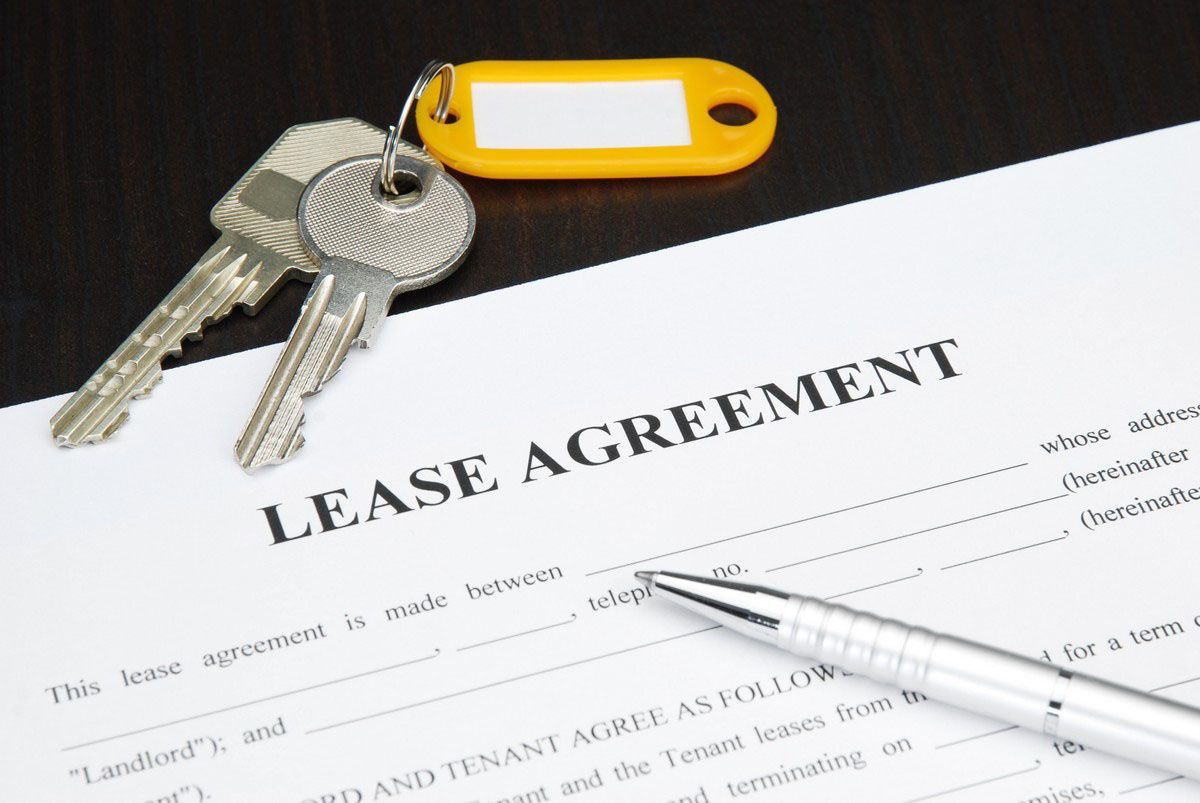
Commercial lease agreements involve complex terms covering base rent, escalation clauses, build-out responsibilities, and renewal options. Experienced managers work alongside ownership and legal counsel to structure balanced, enforceable leases that protect owner returns while accommodating legitimate tenant business needs.
Engaging professional property management services equips business owners with the financial discipline, operational reliability, and tenant-focused expertise required to thrive in competitive commercial real estate markets. From transparent accounting and preventive maintenance to regulatory compliance and strategic leasing, dedicated management teams protect asset value while eliminating daily administrative burdens. By entrusting complex building operations to qualified professionals, business owners gain lasting peace of mind and the freedom to focus squarely on growing their core enterprise. Contact DJW Property Management today to learn more.