October 20, 2026
Local landlords are finding innovative ways to manage their rental properties efficiently and reclaim their valuable personal time while maximizing profitability. As demands on rental owners continue to expand, streamlining everyday operations has become essential. Through modern technology, strategic outsourcing, and refined administrative methods, landlords can run a thriving business without sacrificing their lifestyle. According to RubyHome, 51% of rental property owners typically have a property manager. Understanding how to leverage these professional resources and modern strategies allows property managers and self-managing owners alike to reduce stress, improve cash flow, and maintain long-term success.
Managing rental housing without a structured operational framework frequently leads to executive fatigue, unorganized records, and unexpected vacancies. By treating real estate as a streamlined business rather than a collection of daily chores, property owners unlock sustainable growth opportunities while maintaining complete control over their investments. Implementing systematic upgrades transforms chaotic management routines into reliable, passive revenue streams that support long-term financial independence.
1. Embracing Technology for Rental Management
Automated rent collection platforms and specialized software have transformed property operations by eliminating manual record-keeping and reducing late payments. Digital portals allow tenants to set up recurring payments and submit online maintenance requests directly through unified systems. This centralizes communications, simplifies financial tracking for tax season, and ensures maintenance issues are logged and addressed promptly. By replacing fragmented spreadsheets and manual paper trails with streamlined digital infrastructure, housing providers eliminate hours of administrative friction every week.
Smart home technology, such as keyless entry locks, smart thermostats, and connected environmental sensors, adds measurable value to rental units while providing landlords with real-time operational data. These technologies enhance security, prevent costly utility wastage, and allow remote access management for maintenance workers or prospective renters without requiring an owner to be physically present. Furthermore, virtual tours and remote screening tools allow property managers to showcase listings to prospective renters worldwide, dramatically lowering vacancy periods and saving countless hours otherwise spent traveling to in-person showings.
Modern property software platforms also integrate comprehensive background check tools, electronic lease signing capabilities, and automated tenant communication pipelines. Renters appreciate the convenience of managing their housing needs through mobile applications, while landlords benefit from consistent, documented workflows that protect their assets. By adopting an automated tech stack, landlords build scalable systems that can handle multiple units with minimal incremental labor.
2. Outsourcing Day-to-Day Operations
Hiring property managers or specialized management firms allows real estate investors to hand off time-consuming tasks like tenant screening, lease enforcement, routine maintenance coordination, and late-night emergency calls. By delegating these demanding operational responsibilities to seasoned professionals, owners shift their primary role from full-time landlord to strategic asset investor. Professional management firms bring deep industry expertise, established vendor networks, and standardized processes that consistently optimize property performance while eliminating day-to-day stress.
Contracting dedicated maintenance technicians and professional cleaning crews ensures fast turnover, high-quality repairs, and long-term preservation of property values. Relying on reliable, licensed contractors removes the burden of DIY repairs and guarantees that building systems are serviced to high standards. Establishing ongoing vendor relationships also leads to prioritized dispatching during emergencies and competitive service pricing, keeping units rent-ready and tenant satisfaction high without requiring the owner's direct labor.
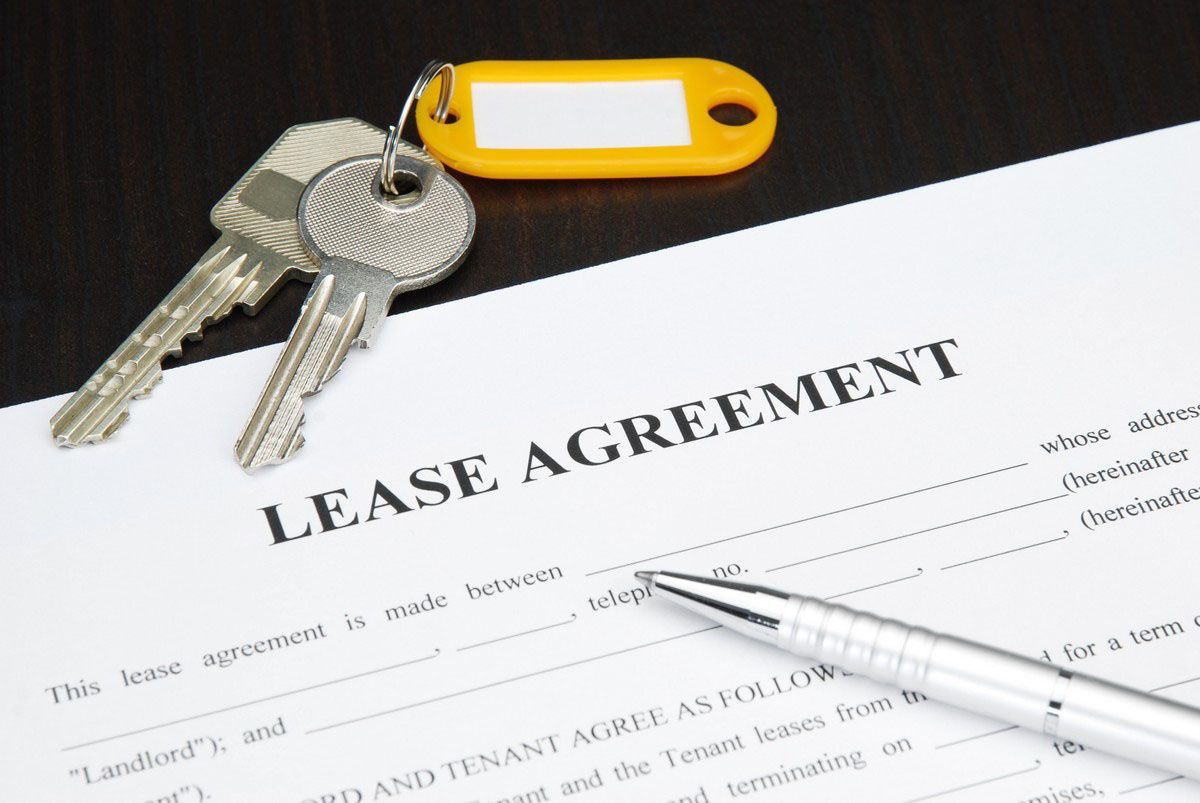
Working with legal consultants ensures full compliance with evolving local housing laws, fair housing regulations, and airtight lease agreements that protect landlords from costly disputes. Additionally, engaging virtual administrative assistants provides an affordable way to manage routine tenant communications, calendar scheduling, data entry, and market research without hiring full-time, in-house staff. These specialized outsourcing channels allow property managers to maintain an efficient operational footprint focused strictly on growth.
3. Implementing Effective Time Management
Prioritizing core responsibilities through time-blocking techniques helps landlords divide their workweek into distinct windows for property visits, administrative duties, and tenant communications. Establishing structured daily schedules prevents scattered focus and keeps urgent but low-value tasks from disrupting high-priority strategic initiatives. Focusing on high-yield activities ensures that property oversight remains structured, deliberate, and manageable rather than reactive and overwhelming.
Delegating routine operational tasks to team members or third-party service providers allows owners to maintain a big-picture focus on growing their investment portfolios. Establishing clear operational boundaries ensures that personal time is respected, avoiding constant interruptions from minor housing inquiries. Through systematic task distribution, landlords build dynamic operations that run smoothly regardless of individual daily schedules.
Utilizing digital calendars, task-management tools, and explicit communication guidelines ensures clear expectations with tenants while keeping daily workflows organized. Automating routine reminders for lease renewals, scheduled safety inspections, and preventive maintenance keeps properties in compliance and prevents small oversights from escalating into expensive repairs. Effective time management empowers landlords to run their portfolios as structured, organized enterprises.
4. Building a Strong Network
Connecting with local real estate associations, online communities, and fellow property managers opens up critical opportunities for knowledge-sharing, reliable vendor referrals, and legal updates. Networking allows property owners to share best practices, navigate complex municipal regulations, and gain access to vetted service providers. Collaborating with experienced peers provides a valuable sounding board for troubleshooting tricky tenant situations and discovering innovative tools that improve overall profitability.
Partnering with experienced real estate agents streamlines marketing efforts, helping owners find qualified candidates quickly and maintain accurate rental pricing based on real-time neighborhood data. Real estate agents leverage broad listing channels, professional staging, and local market trends to minimize vacancy windows and secure high-quality tenants. Outsourcing listing activities to dedicated leasing agents saves significant time while ensuring optimal rental rates.
Participating in community events and local neighborhood groups builds positive landlord-tenant relationships and provides valuable insights into regional developments. Engaging directly with local communities enhances property reputation and helps landlords anticipate shifts in tenant demand. Leveraging these professional networks equips property managers with the insights and relationships required to navigate market changes smoothly.
5. Streamlining Financial Operations and Relationships
Automated bookkeeping and specialized accounting software streamline income tracking, expense categorization, and financial reporting across all properties. Centralized digital accounting systems generate instant financial statements, automate rent roll updates, and track tax-deductible expenses throughout the year. Clear budgeting for ongoing maintenance and emergency reserves stabilizes cash flow, while a strong understanding of real estate tax deductions helps property managers optimize overall profitability and protect revenue streams. Furthermore, integrating financial software directly with bank feeds provides real-time oversight of capital allocations and simplifies quarterly reporting for multi-owner investment structures.
Maintaining clear communication channels, conducting routine property inspections, and responding swiftly to tenant concerns build trust and reduce costly turnover. Clear digital communication channels ensure inquiries are documented and addressed efficiently, while scheduled preventive inspections allow owners to fix minor maintenance issues before they turn into major structural repairs. Fostering positive relationships creates stable, respectful tenancies that preserve long-term property value. Proactive outreach demonstrates attentiveness, reassuring residents that their comfort and safety remain top priorities, which fosters a sense of community and loyalty.
Rewarding reliable tenants with renewal incentives, such as minor unit upgrades or flexible lease terms, encourages long-term residency and keeps turnover costs low. Maintaining professional standards across every interaction minimizes friction, enhances property reputation, and ensures consistent rental income.
These combined retention strategies significantly decrease vacancy rates and save substantial marketing and turnaround capital over the lifetime of an asset. Adopting strategic management practices enables rental owners to reclaim their time and scale their real estate investments efficiently. For more information about the services that we offer, reach out to our incredible team at DJW Property Management today!