November 24, 2026
A comprehensive real estate property management service offers a range of benefits and responsibilities to ensure your property is well-maintained and profitable. Understanding what to expect from these services can help you make informed decisions and maximize the value of your investment. This article will delve into the key aspects of property management services. Property management encompasses various tasks, from tenant relations to financial oversight, all designed to streamline the complex nature of real estate investments. By acquiring insight into these specialized roles, property owners can harness the full potential of their assets without the stress of direct involvement.
Tenant Management
Tenant Screening Process
The tenant screening process is a cornerstone of effective property management, requiring attention to detail and rigorous standards. It typically involves background checks, credit history evaluations, and rental history verifications to ensure prospective tenants are reliable. This process aims to minimize the risk of late payments or property damage, offering peace of mind to property owners. A rigorous screening process not only safeguards property but also cultivates a stable and respectful tenant community. According to the National Association of Realtors, a condo typically includes one individual unit and a percentage ownership interest in the land, building, common areas, and amenities, so it's essential to find the right fit for this type of property. Proper screening is critical for maintaining long-term tenant satisfaction and retention.
Lease Agreements
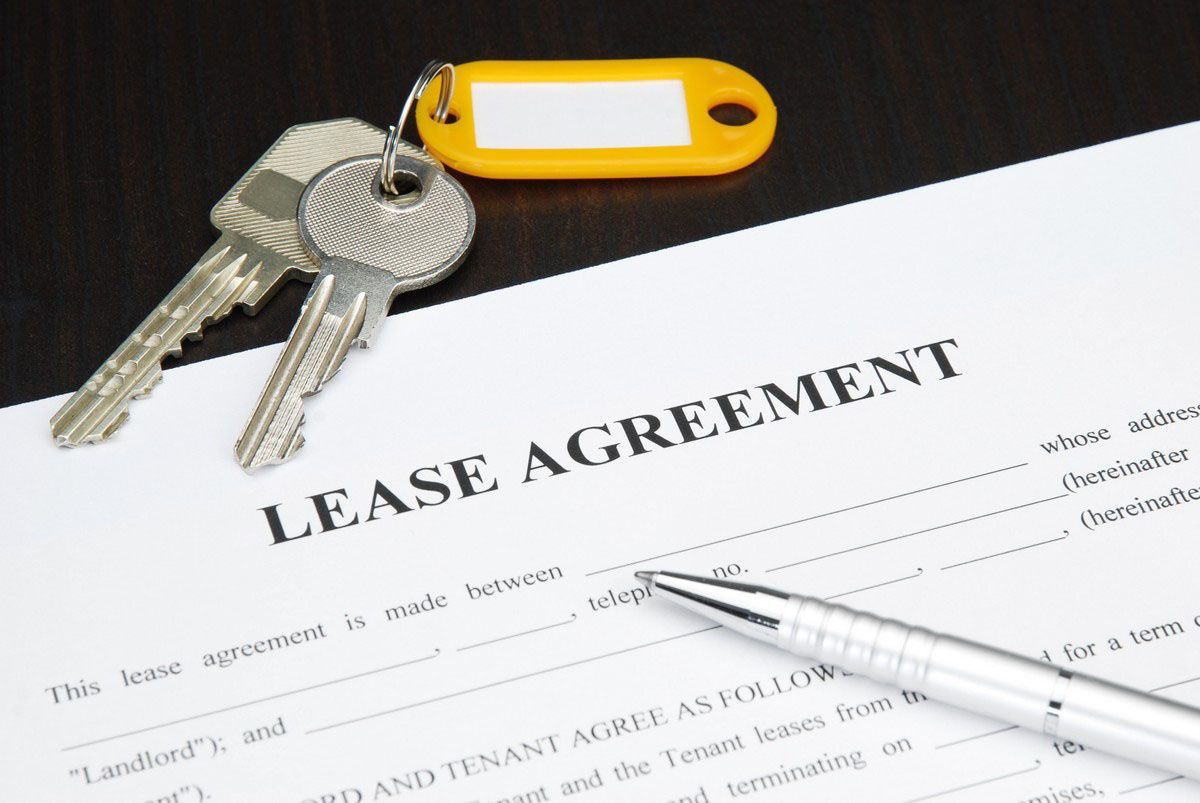
Drafting, negotiating, and enforcing lease agreements are fundamental functions of a real estate property management service. They ensure that the rights and responsibilities of both landlords and tenants are clearly defined and legally binding. By meticulously detailing terms such as rent, duration, and maintenance responsibilities, lease agreements minimize potential disputes. Property managers are adept at tailoring these contracts to meet the specific needs of each property while ensuring compliance with local regulations. Crafting comprehensive and enforceable lease agreements sets a solid legal foundation for property management operations.
Rent Collection Procedures
The systems and schedules put in place for rent collection ensure consistent cash flow essential for property viability. Property managers deploy effective methods such as online payment platforms and structured payment schedules to facilitate timely collections. Handling late payments and negotiating payment plans also become part of the management responsibilities. Consistent rent collection ensures that property owners can meet their financial obligations, from mortgages to maintenance expenses. Efficient rent collection procedures are pivotal for maintaining a property's financial stability.
Handling Tenant Complaints
Handling tenant complaints promptly and efficiently helps maintain a harmonious living environment. Property managers act as intermediaries, addressing tenant concerns such as maintenance issues, noise disturbances, or policy violations. By fostering open lines of communication and employing conflict resolution strategies, management can sustain tenant satisfaction and retention. Addressing issues quickly demonstrates a commitment to tenant welfare and helps prevent minor issues from escalating into significant disputes. Resolving tenant complaints effectively contributes to a positive reputation for both property management and the property itself.
Lease Renewals and Terminations
Lease renewals and terminations require strategic planning and proactive communication. Property managers engage with tenants well before lease expiration to discuss renewal options and negotiate terms. This preemptive approach ensures tenants feel valued and considered, increasing the likelihood of lease renewal. When terminations are necessary, property managers facilitate the process smoothly to minimize disruptions. Effective management of lease renewals and terminations stabilizes occupancy rates and sustains rental income streams.
Property Maintenance
Routine Inspections
Regular property inspections are crucial for maintaining the value and functionality of rental properties. These inspections involve checking safety features, structural elements, and operational systems to identify potential issues early. Property managers schedule inspections systematically, ensuring nothing is overlooked, and document each visit thoroughly. Such preventative measures prolong the property's life and enhance tenant satisfaction by maintaining a safe living environment. Regular inspections are a proactive approach to sustaining property quality and reducing long-term maintenance costs.
Emergency Repairs
Emergency repair protocols are vital for addressing urgent issues swiftly and efficiently. Property managers must be prepared to handle crises such as plumbing failures, electrical outages, or severe weather impacts. Quick response times and access to skilled contractors are essential for minimizing damage and restoring normalcy. By prioritizing tenant safety and comfort during emergencies, property managers reinforce tenant trust and property reliability. Preparedness for emergency repairs reflects a property management service's commitment to maintaining high living standards even in unforeseen circumstances.
Long-Term Maintenance Planning
Developing a strategic long-term maintenance plan is essential for sustainable property management. This involves scheduling regular upkeep tasks, budgeting for capital improvements, and anticipating future needs. Effective planning prevents minor issues from escalating and ensures that major maintenance tasks are cost-effective and timely. A well-executed maintenance plan enhances property appeal, tenant satisfaction, and long-term investment returns. Long-term maintenance planning is a proactive strategy that enhances property resilience and preserves its market value.
Vendor Management
Coordinating with vendors such as contractors, landscapers, and cleaning services is a critical aspect of property maintenance. Property managers negotiate contracts, oversee service delivery, and ensure high-quality standards. Effective vendor management optimizes service quality and cost efficiency by leveraging established relationships and industry insights. A well-maintained network of reliable vendors is vital for timely and successful property maintenance. Vendor management is an essential component in providing consistent and quality service for property upkeep.
Cost Management
Balancing maintenance quality with budget considerations is a challenging yet crucial task for property managers. They implement cost-saving strategies such as preventative maintenance and competitive vendor bidding without compromising service quality. By continuously monitoring expenses and assessing cost-benefit ratios, managers ensure financial resources are allocated effectively. Effective cost management enhances property profitability and ensures sustainable operations. A real estate property management service plays a pivotal role in optimizing financial efficiency while maintaining high standards of property care.
Financial Management
Budget Preparation
Creating detailed financial plans for property operations is integral to financial management. Real estate property management service evaluates income and expenses to construct a budget that balances operational needs with fiscal prudence. Accurate budgeting supports financial forecasting and informed decision-making, ensuring resource availability for essential tasks. Clear budget plans facilitate transparency and allow property owners to understand financial allocations and performance metrics. Budget preparation is foundational for managing a property's financial health and achieving long-term investment goals.
Income and Expense Tracking
Robust systems for monitoring financial transactions are crucial for tracking property performance. A real estate property management service employs accounting software to record income, expenses, and financial variances meticulously. Detailed tracking helps identify profit margins and potential financial challenges, facilitating informed adjustments. It also provides property owners with transparency about their investment's financial health. Comprehensive tracking is essential for ensuring financial accountability and optimizing the profitability of property investments.
Tax Preparation and Compliance
Property management services provide essential assistance with tax-related matters and compliance. Managers ensure proper documentation is maintained and deadlines are met to comply with all tax obligations. They offer insights into applicable tax deductions and credits, optimizing tax strategies for property owners. For example, understanding the tax implications of owning a condo, which the National Association of Realtors notes includes shared ownership in the land and amenities, can significantly impact financial planning. Effective tax management ensures compliance and financial efficiency within legal frameworks.
Financial Reporting
Regular financial reporting provides property owners with insights into their property's economic performance. These reports cover aspects such as income, expenses, occupancy rates, and budget variance analyses. Transparent reporting fosters trust and enables property owners to make informed decisions regarding their investments. A real estate property management service ensures these reports are precise, timely, and tailored to each owner's informational needs. Financial reporting is a communication cornerstone that supports strategic planning and enhances owner satisfaction.
Reserve Fund Management
Reserve fund management is critical for preparing for unforeseen expenses and significant repairs. Property managers maintain reserve funds to address emergencies without disrupting the property's ongoing financial commitments. Proper reserve allocation provides a financial cushion that safeguards the property's financial integrity. This strategic financial planning allows property managers to address emergencies and major repairs without straining the budget. Effective reserve fund management is essential for maintaining property stability and financial resilience.
Understanding what to expect from your
real estate property management service can significantly enhance your property investment experience. Contact DJW Property Management today to get started with our range of offerings. We'd love to assist you.