July 21, 2026
Renting a home or apartment can be a convenient way to secure a place to live without taking on the responsibilities of property ownership. However, tenants may occasionally have questions about maintenance, rent payments, lease terms, repairs, and other issues that require communication with the professionals overseeing the property. Knowing how to work with the management team can make the rental experience more organized and productive. Tenants should understand their responsibilities while also knowing what they can reasonably expect from the people managing the property. Clear communication, proper documentation, and an understanding of the lease can help prevent unnecessary confusion. According to Rubyhome.com, the property management industry in the U.S. includes approximately 330,400 companies operating throughout the country. With so many professionals involved in managing rental properties, tenants may interact with a wide range of management styles and procedures. Understanding how to communicate effectively with a property management company can help renters handle common situations with greater confidence.
Understanding Your Lease Agreement
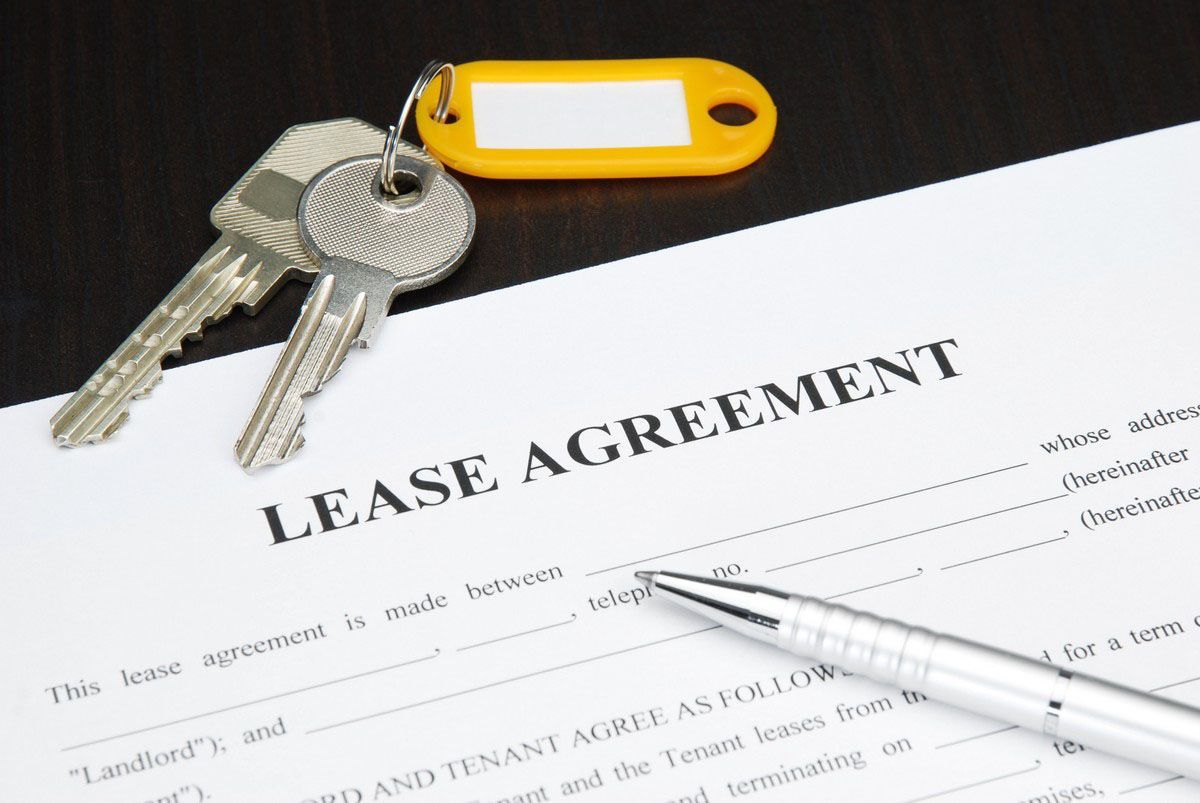
The lease agreement is one of the most important documents a tenant will receive during the rental process. It outlines the responsibilities of both the renter and the property owner or management team. Important information may include the monthly rent, due dates, security deposit terms, maintenance responsibilities, and rules for using the property. Tenants should read the agreement carefully before signing and ask questions about any sections they do not understand. Keeping a copy of the signed lease can also make it easier to review the agreed-upon terms later. The lease may explain how tenants should submit repair requests or report urgent issues. Understanding these procedures can help ensure that concerns are directed to the appropriate person. A property management company can provide clarification when tenants have questions about the terms and responsibilities outlined in their lease.
Communicating About Maintenance Concerns
Maintenance issues are among the most common reasons tenants need to contact the professionals managing their rental property. A dripping faucet, broken appliance, plumbing problem, or heating issue should generally be reported as soon as it is discovered. Delaying a repair request could allow a small issue to become more serious and potentially cause additional damage. Tenants should use the communication method specified by the management team when submitting a request. Some companies may require online maintenance forms, while others may accept phone calls, emails, or requests through a resident portal. Providing clear information about the problem can help maintenance professionals understand what may be needed before arriving. Photos or videos may also be helpful when the issue is difficult to describe. A property management company can respond more efficiently when tenants provide accurate details and follow the established maintenance procedures.
Documenting Important Communications
Keeping records of important conversations can help tenants stay organized throughout their rental experience. Written communication can provide a clear record of when a problem was reported and what information was shared. Tenants may want to save emails, maintenance confirmations, notices, and other important documents related to the property. Taking photographs of existing damage before moving in can also help document the condition of the rental unit. This information may be useful when questions arise about repairs, security deposits, or property conditions. Tenants should also keep copies of rent payment confirmations and other important financial records. Organized documentation can reduce confusion when multiple conversations occur over time. A property management company can work more effectively with tenants who provide clear information and maintain accurate records about their rental concerns.
Reporting Problems Promptly
Tenants should report property problems as soon as they become aware of them. Small leaks, unusual odors, electrical issues, broken locks, and other concerns may become more serious when left unaddressed. Prompt reporting gives the management team an opportunity to investigate the issue before additional damage occurs. Tenants should avoid assuming that a problem is too minor to mention if it could affect the property or create a safety concern. Emergency situations should be reported using the instructions provided for urgent maintenance needs. Renters should also explain what happened and identify any immediate conditions that could affect people or property. Quick communication can help the appropriate professionals determine how urgently the issue should be addressed. A property management company can respond more effectively when tenants report concerns clearly and without unnecessary delays.
Following Property Rules
Rental properties often have rules designed to protect the property and promote a positive experience for residents. These rules may address noise, pets, parking, smoking, alterations, guests, trash disposal, or the use of shared spaces. Tenants should review these requirements carefully and ask questions if any rule is unclear. Following the terms of the lease can help prevent avoidable conflicts with the management team or neighboring residents. Tenants should also obtain permission before making changes that could affect the property. Painting, installing fixtures, modifying landscaping, or making other alterations may require written approval. Understanding the property's expectations can help renters avoid problems that may affect their lease or security deposit. A property management company can explain applicable rules and help tenants understand what is expected during their tenancy.
Handling Rent and Payment Questions
Rent payments are another important part of the relationship between tenants and property managers. Renters should know the amount due, the payment deadline, and the accepted payment methods outlined in their lease. Setting reminders can help tenants avoid accidentally missing a due date. If a payment problem occurs, tenants should communicate with the management team as soon as possible rather than ignoring the situation. Renters should also save payment confirmations and other records showing when payments were submitted. Questions about fees, balances, or payment processing should be addressed directly with the appropriate office or representative. Clear communication may help resolve administrative issues before they become more complicated. A property management company can provide information about payment procedures and help tenants understand questions related to their rental account.
Addressing Disagreements Professionally
Disagreements can sometimes occur between tenants and the professionals responsible for managing a rental property. A maintenance delay, lease interpretation, noise concern, or other issue may lead to frustration for one or both parties. Remaining calm and communicating respectfully can make it easier to focus on the specific problem that needs to be resolved. Tenants should review their lease and gather relevant documentation before raising a concern. Providing specific details can be more productive than making general accusations about the situation. If an issue is not resolved through an initial conversation, tenants may need to follow the company's formal communication or complaint process. Keeping discussions focused on the facts can help reduce unnecessary tension. A property management company is more likely to address concerns efficiently when tenants communicate clearly and provide relevant information about the issue.
Preparing for Move-Out
The move-out process is another stage when tenants need to communicate carefully with the property management team. The lease may include requirements for notice, cleaning, repairs, key returns, and final inspections. Tenants should review these requirements well before the planned move-out date. Completing the required steps can help reduce confusion at the end of the tenancy. Renters may also want to photograph the condition of the property after removing their belongings and completing any required cleaning. Any questions about the security deposit should be addressed using the terms and procedures outlined in the lease. Returning keys, access devices, and other property items according to instructions is also important. A property management company can provide move-out information and explain the steps tenants should follow before leaving the rental property.
Clear communication is especially important when unexpected issues arise during a tenancy. When renters understand the proper procedures, they can often resolve concerns more efficiently and maintain a more organized relationship with the management team. If you are looking for professional rental property support, DFW Property Management can help provide organized services for property owners and residents. Contact us today to learn more about reliable property management services and how the company can help support a smoother rental experience.